Ballarat · Central Victoria
The animals that built this country live here now.
Waler Horses · Teamster Donkeys · Pigeons
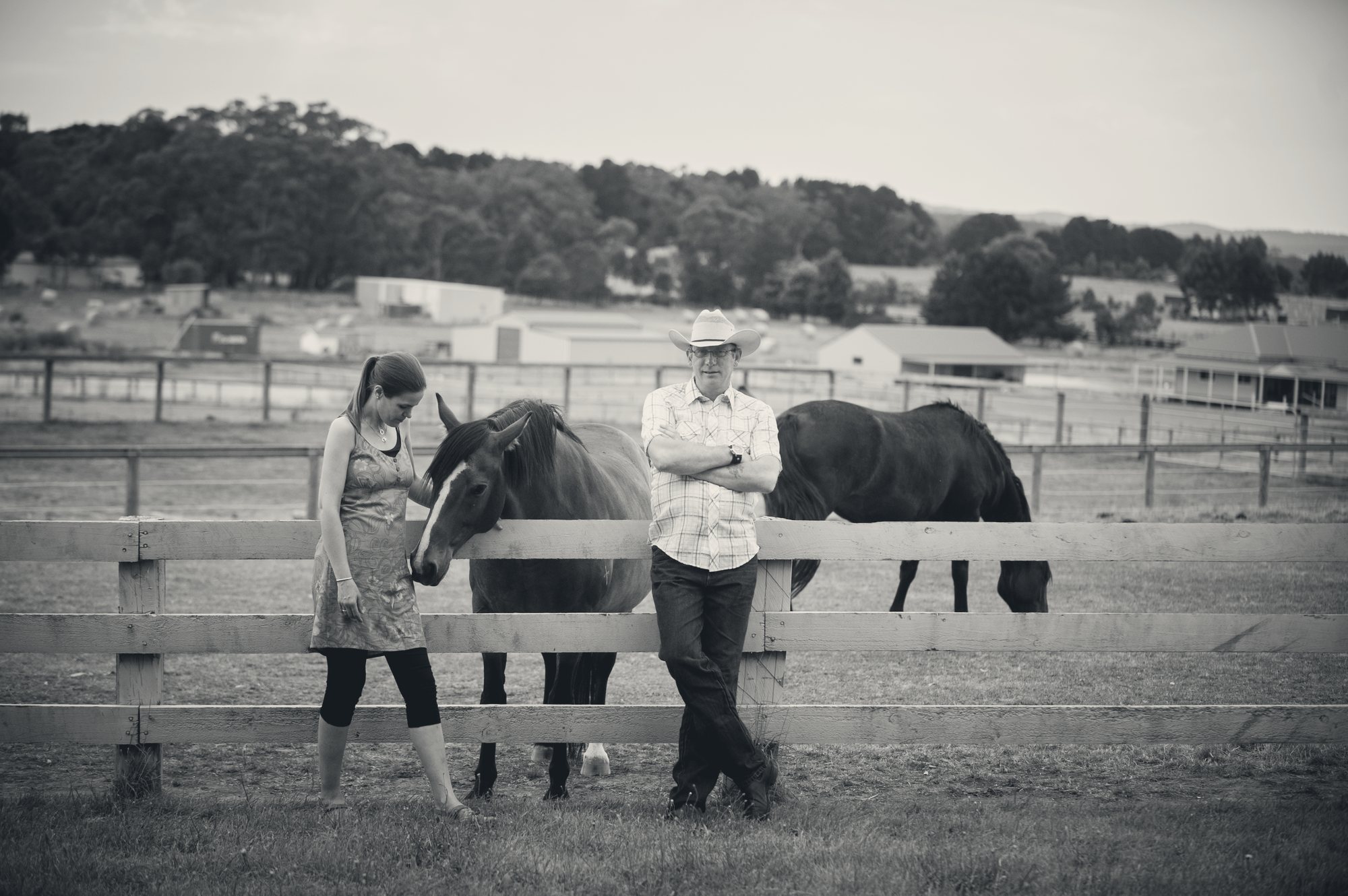
Lucies Haven is home to Waler horses, Australian teamster donkeys and homing pigeons — working breeds that helped open a continent, and were very nearly forgotten by it.
The Paddocks
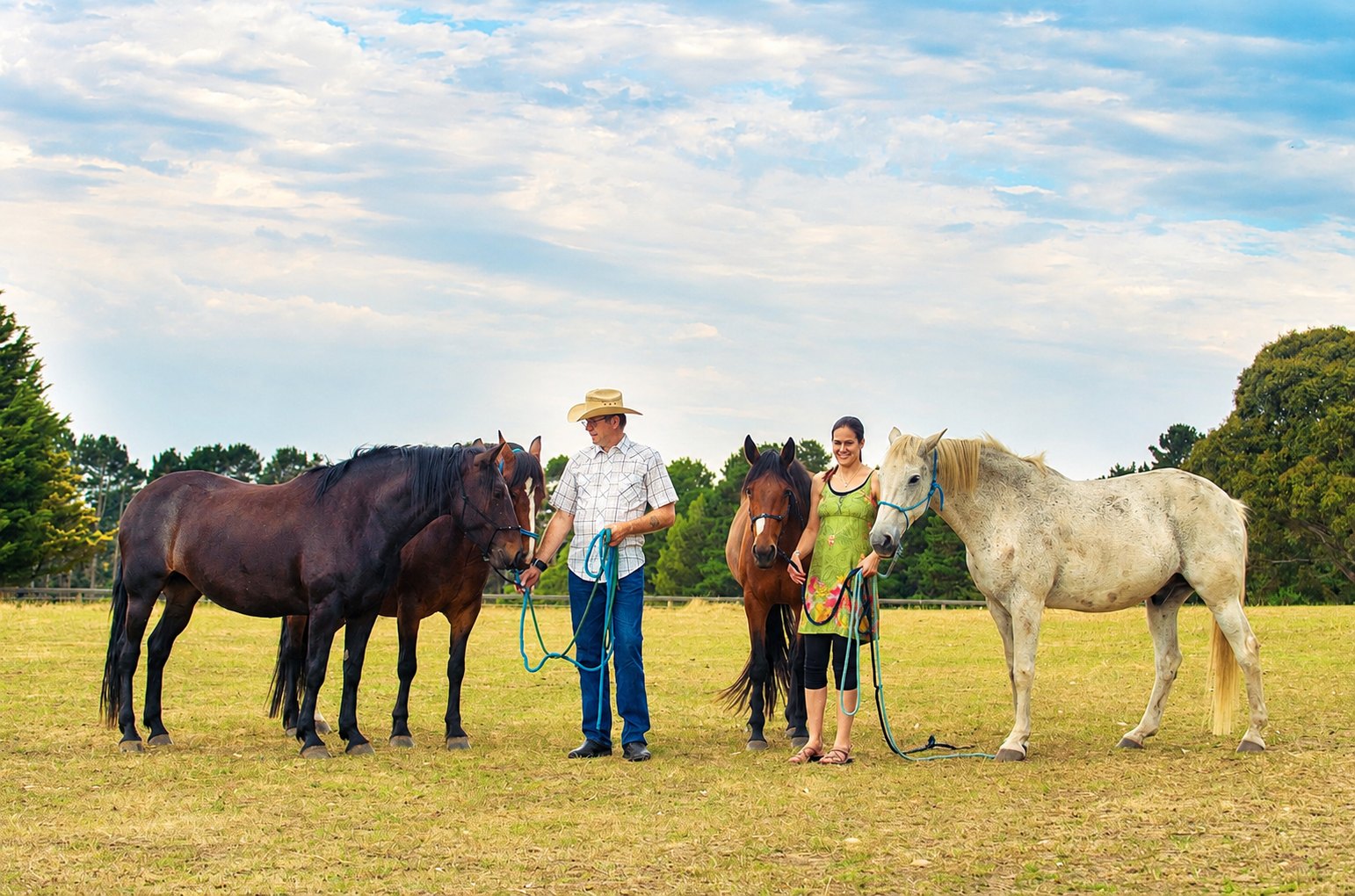
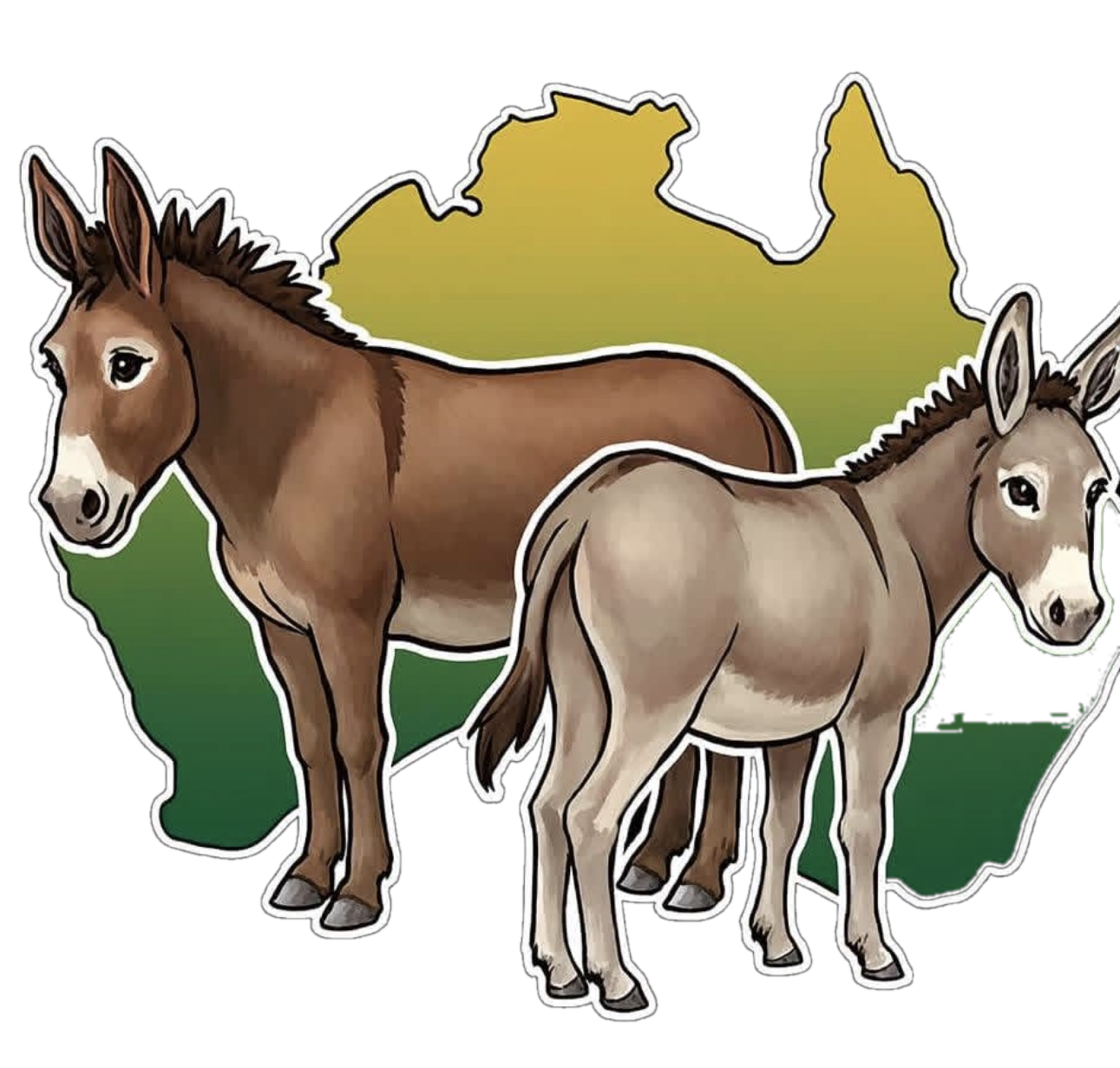
Waler horses and Australian teamster donkeys — the heritage equines of the Haven.
The Loft
Pigeon rescue, rehab and release — the quiet craft of the loft.
None of these animals is native to Australia. They were brought here to work — to carry soldiers, haul wool and stores across the interior, and fly messages home — and when the engine arrived, they were turned loose and written off.
Lucies Haven exists because we think that story deserves a better ending. Here in the goldfields country outside Ballarat, we keep, breed and champion the working animals of Australia’s past, so they have a place in its future.
The Residents · I
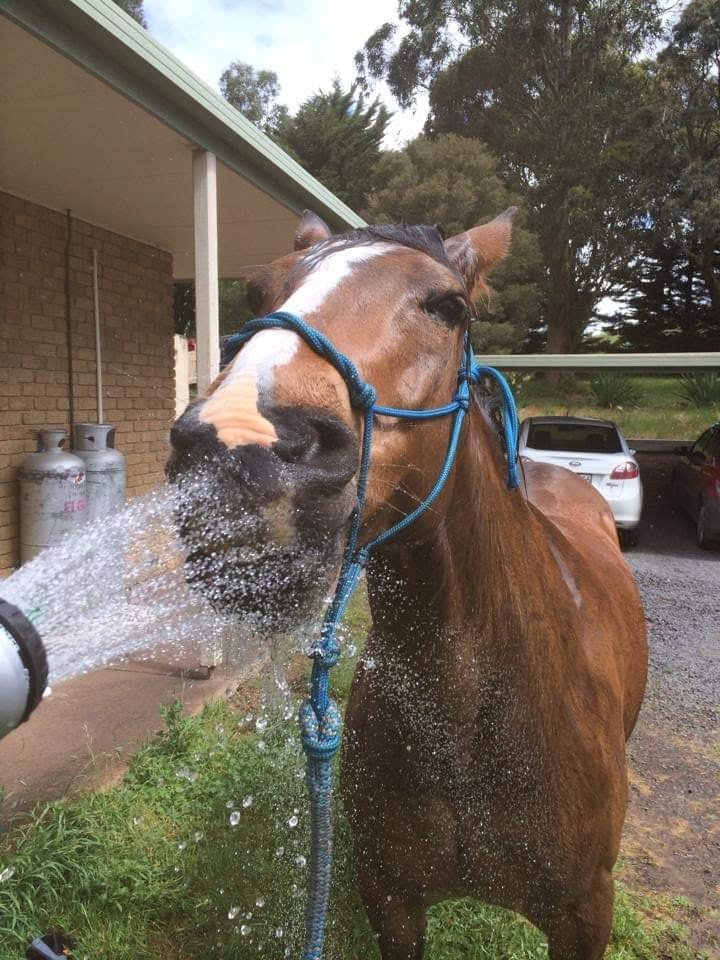
The Walers
Bred in the colonies from whatever good blood came off the boats, the Waler became the horse of the Australian bush — and of the Light Horse regiments who rode them through Sinai and Palestine. Around 130,000 were sent to the First World War. Famously, only one ever came home.
A breed shaped by this country’s distances, kept here so those distances aren’t the end of it.
The Residents · II
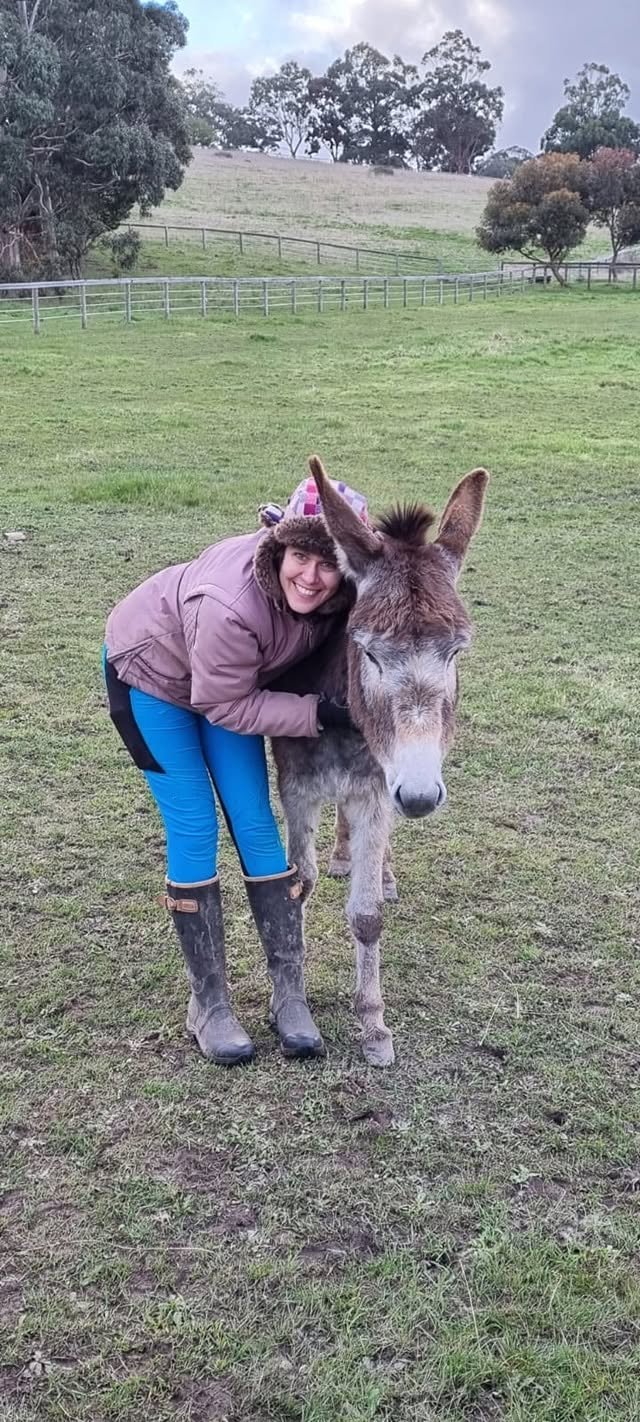
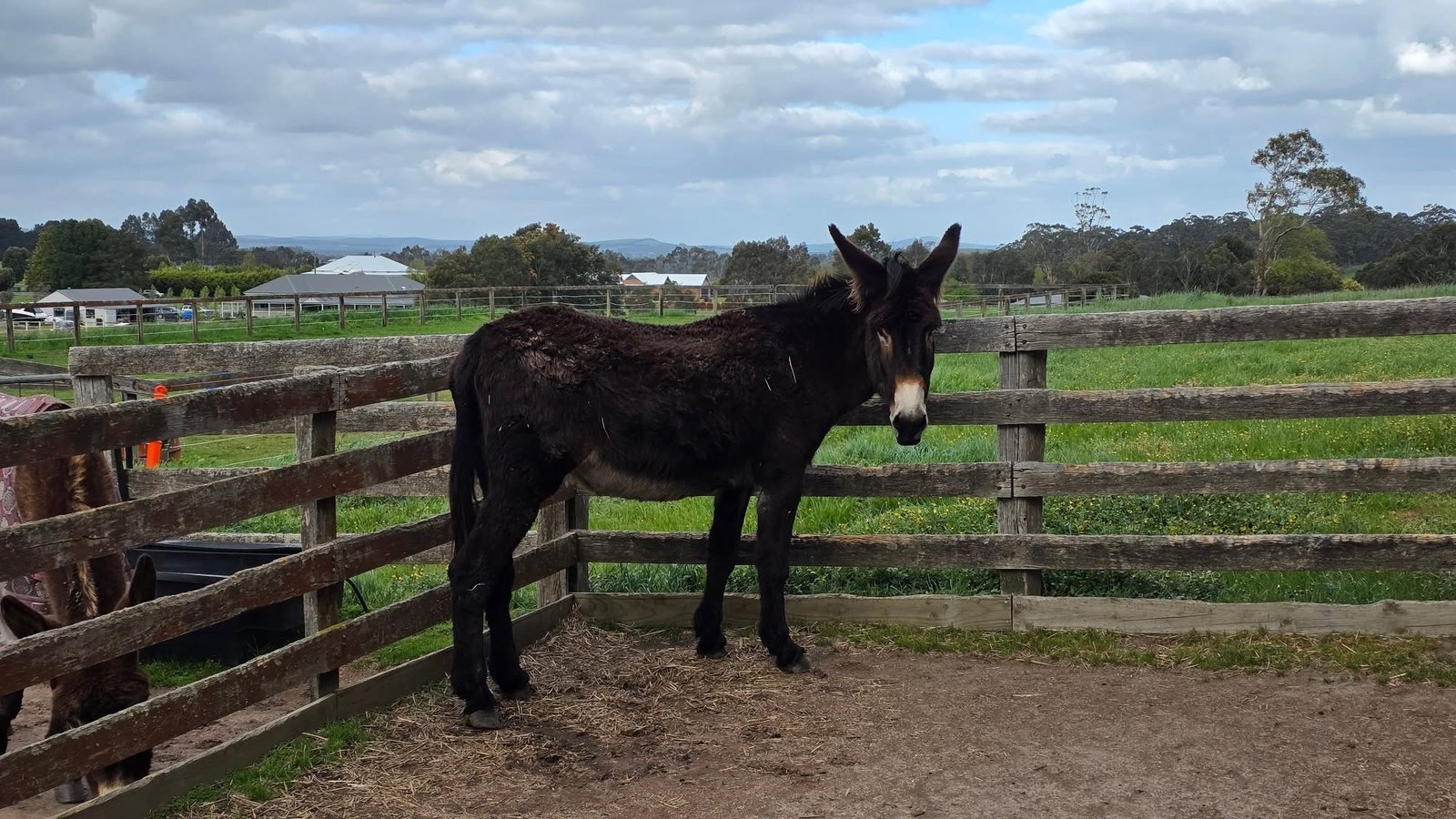
The Teamster Donkeys
Before roads and trucks, donkey teams hauled wool, water and stores to the remotest stations on the continent. Drawn from American, Asian and European stock, they became a breed of their own — tough, patient and suited to country that broke other animals. Mechanisation made them redundant; many were simply let go, and their descendants are now dismissed as pests.
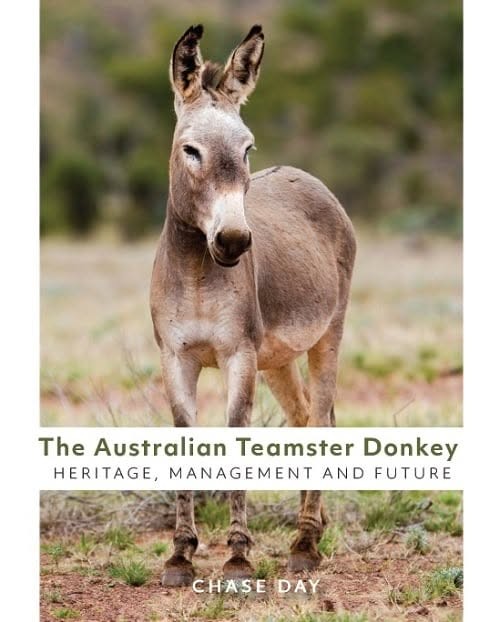
Chase’s book asks whether the Australian teamster donkey has a future. This paddock is our answer.
The Residents · III
The Pigeons
The smallest workers on the place, and the newest arrivals at the Haven. Homing pigeons carried Australia’s messages when nothing else could get through — signal birds served in both world wars — and keeping a loft is its own quiet craft of breeding, training and trust.
Proof that heritage doesn’t have to stand seventeen hands high.
By Chase Day
The Australian Teamster Donkey:
Heritage, Management and Future
The definitive account of a uniquely Australian breed — how it was forged from imported stock to serve the interior, how mechanisation cast it aside, and what it would take to secure its future. Written from the paddock as much as the archive.
“I looked for a book about donkeys — so I had to write one.” — Chase Day, in The Moorabool News
The Station Ledger
Every resident has a record.
Working animals were once entered in station books — name, arrived, duties. We keep the tradition. Each animal at the Haven has its own entry and its own story.
| Name | Kind | Arrived | Entry |
|---|---|---|---|
| — | Waler mare | 20— | Her story goes here — where she came from, what she’s like in the paddock, who she bosses around at feed time. |
| — | Teamster jack | 20— | His entry — lineage, temperament, and the particular opinion he holds about the farrier. |
| — | Homing pigeon | 20— | Ring number, best time home, and any distinguishing aerobatics. |
Sample entries shown — the real muster roll to follow.
The Name
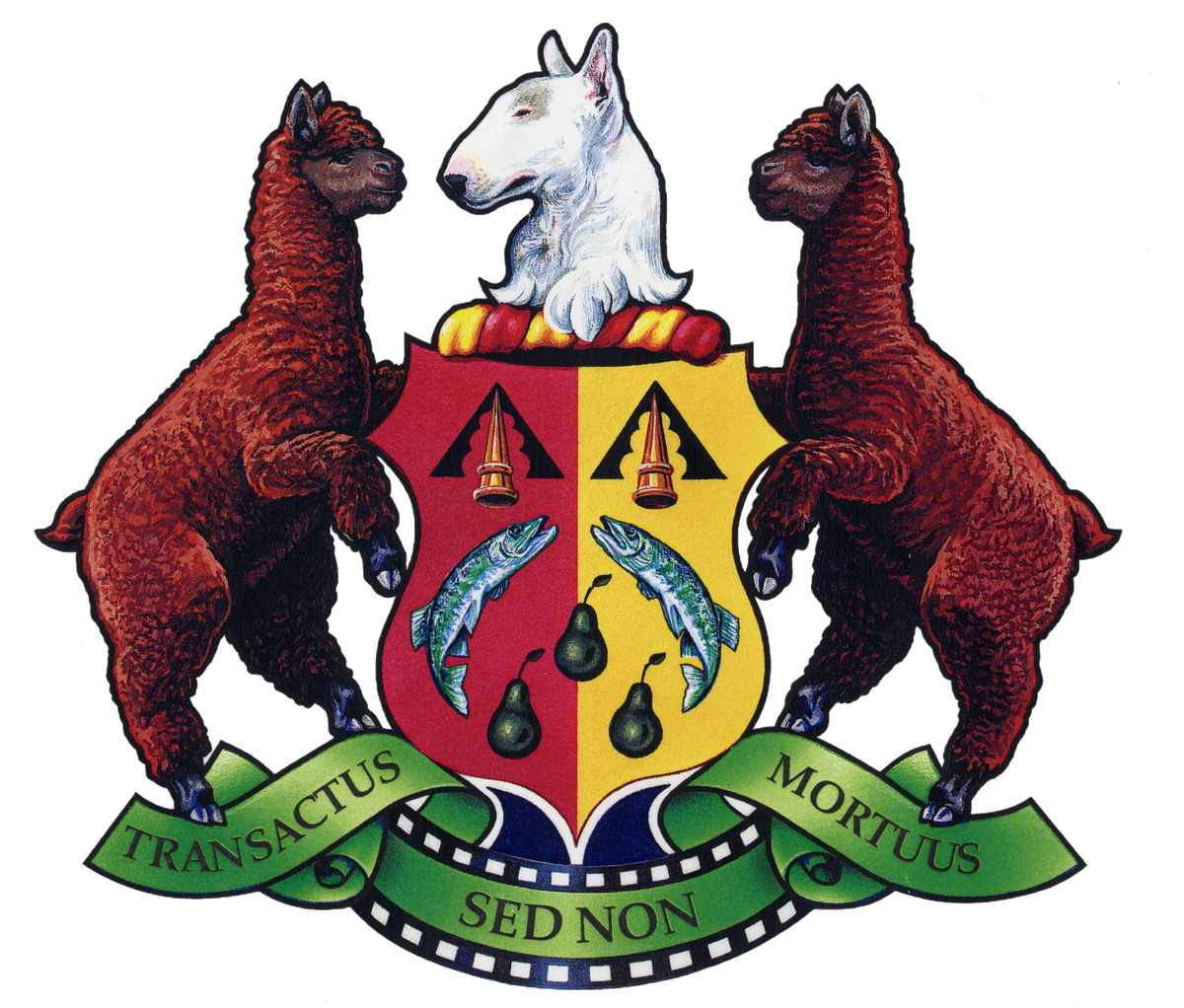 Lucies FarmEnglandLucies HavenBallarat, Victoria
The name travelled before we did. Before the goldfields, there was Lucies Farm in England — a family thread that now runs the length of the world, from one paddock to another.
Get in touch
Come and meet the long ears.
For enquiries about the Haven, the Walers, the donkeys, or donkey welfare in Victoria, we’d love to hear from you.